ASEAN Fuel Price Update 2026: Comparing 10 Countries
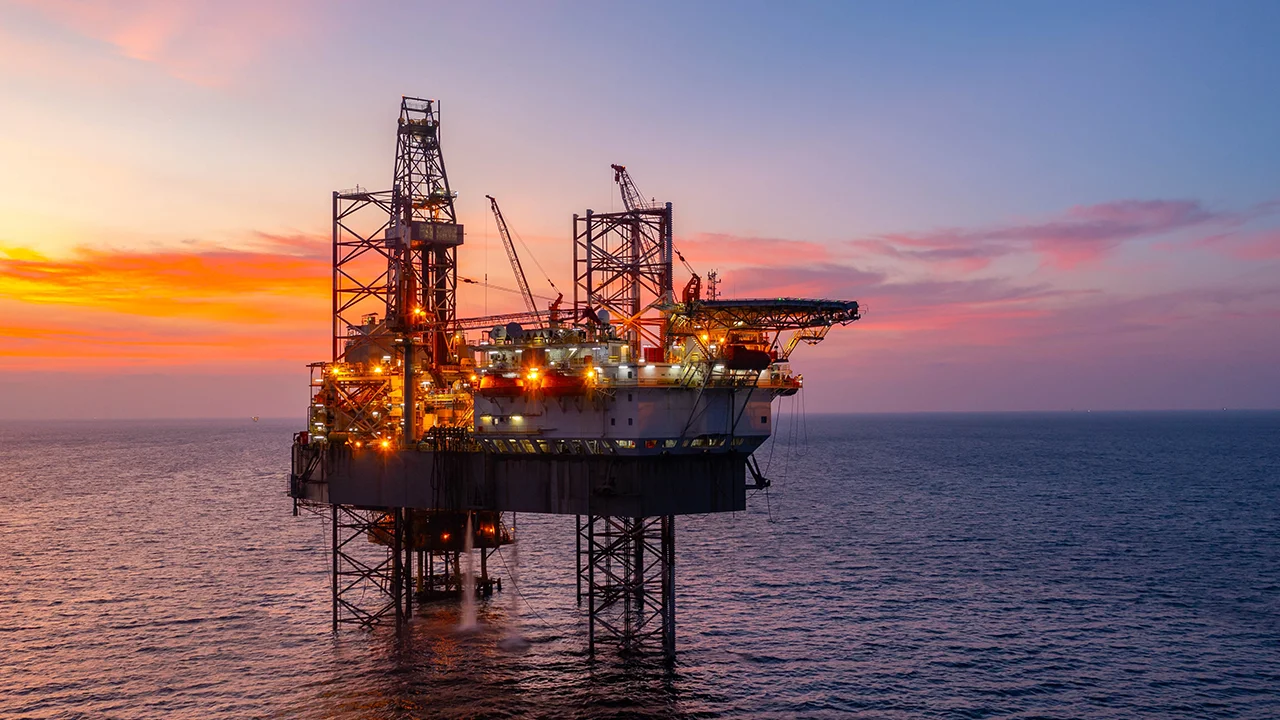
Latest ASEAN Fuel Price Update 2026 Comparing 10 Nations
With the current fuel situation becoming quite a burden, many are starting to feel the pinch as it inevitably impacts travel and daily living. Recently, the Energy Policy and Planning Office (EPPO) updated the average fuel price statistics across the ASEAN region as of March 16, 2026, allowing luxury enthusiasts and the general public to monitor these fluctuations closely.

Deep Dive Fuel Prices Across 10 ASEAN Countries
This data compares Gasoline and Diesel prices, calculated in THB per liter.
-
Singapore (Rank 1 – Highest Prices)
-
Gasoline: 86.01 THB/Liter
-
Diesel: 88.28 THB/Liter
Insight: Prices are the highest due to a lack of subsidies and high excise tax rates.
-
Laos
-
Gasoline: 62.43 THB/Liter
-
Diesel: 50.41 THB/Liter
Insight: Prices are high because it is a landlocked country, resulting in higher transportation and logistics costs.
-
Cambodia
-
Gasoline: 43.76 THB/Liter
-
Diesel: 51.80 THB/Liter
-
Philippines
-
Gasoline: 41.33 THB/Liter
-
Diesel: 37.06 THB/Liter
-
Indonesia
-
Gasoline: 31.39 THB/Liter
-
Diesel: 34.22 THB/Liter
-
Thailand (Rank 6 – Moderate Level)
-
Gasoline (95E10): 31.05 THB/Liter
-
Diesel: 29.94 THB/Liter
Insight: This price reflects the use of the "Oil Fuel Fund" mechanism to stabilize prices and prevent a severe impact on the cost of living.
-
Vietnam
-
Gasoline: 31.79 THB/Liter
-
Diesel: 27.68 THB/Liter
-
Myanmar
-
Gasoline: 30.56 THB/Liter
-
Diesel: 26.97 THB/Liter
-
Malaysia
-
Gasoline: 16.53 THB/Liter
-
Diesel: 17.86 THB/Liter
Insight: Prices are low because the government actively implements fuel subsidy policies for its citizens.
-
Brunei (Rank 10 – Lowest Prices)
-
Gasoline: 13.43 THB/Liter
-
Diesel: 7.85 THB/Liter
Insight: As a major oil producer, the government heavily subsidizes prices to ensure energy remains highly affordable.
Why the Price Gap? Understanding the Price Structure
The variation in fuel prices across different regions is not accidental; it is the result of specific policy factors in each country, including:
-
Taxation Structure: Differing collection of excise taxes and Value Added Tax (VAT).
-
Oil Fund: Policies regarding contributions to or subsidies from national oil funds.
-
Subsidy Measures: Government intervention to support energy prices based on the country's economic context.

Why the Massive Differences?
-
Taxation Policy: Singapore and Thailand have different proportions for excise and local tax collections.
-
Fuel Fund & Subsidies: Malaysia and Brunei utilize direct budget subsidies, whereas Thailand uses the Oil Fuel Fund to help prop up diesel prices.
-
Logistics & Source: Oil-producing nations (Brunei, Malaysia) naturally have lower costs than those that must import almost all their energy (Singapore, Thailand).
In conclusion, luxury enthusiasts should keep a close eye on energy news to effectively plan expenses and stay prepared for every journey with confidence.
Recommended for You
Thai Airways Business Class Upgrade Airport Rates & Guide

Free Investing Courses SET Master Stocks, Funds & Global

Corporate Bonds vs Dividend Stocks: Which Yields More?

💬 Comments
0✍️ Add a Comment