Luxury Brand Origins: Hermès, Gucci and Tiffany Span 5 Countries, and France Now Owns 16
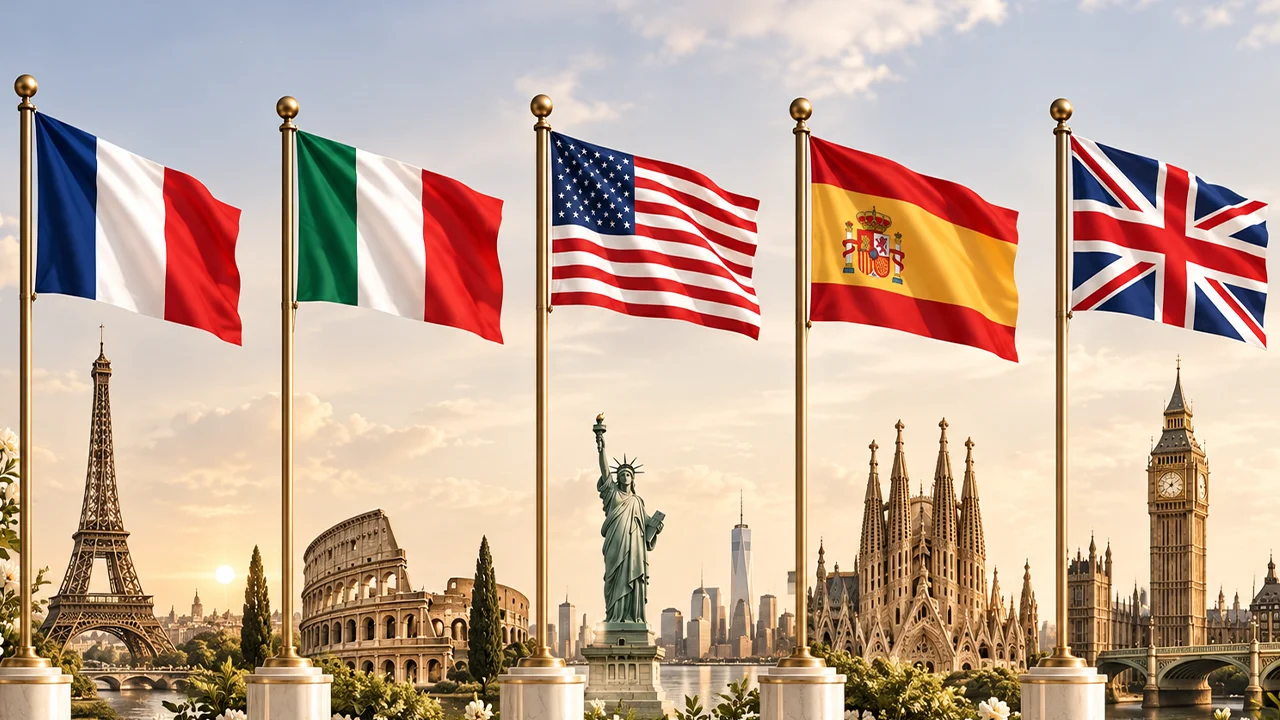
Tracing the Origins of 29 Luxury Brands Across 5 Countries, and Who Actually Owns Them Today
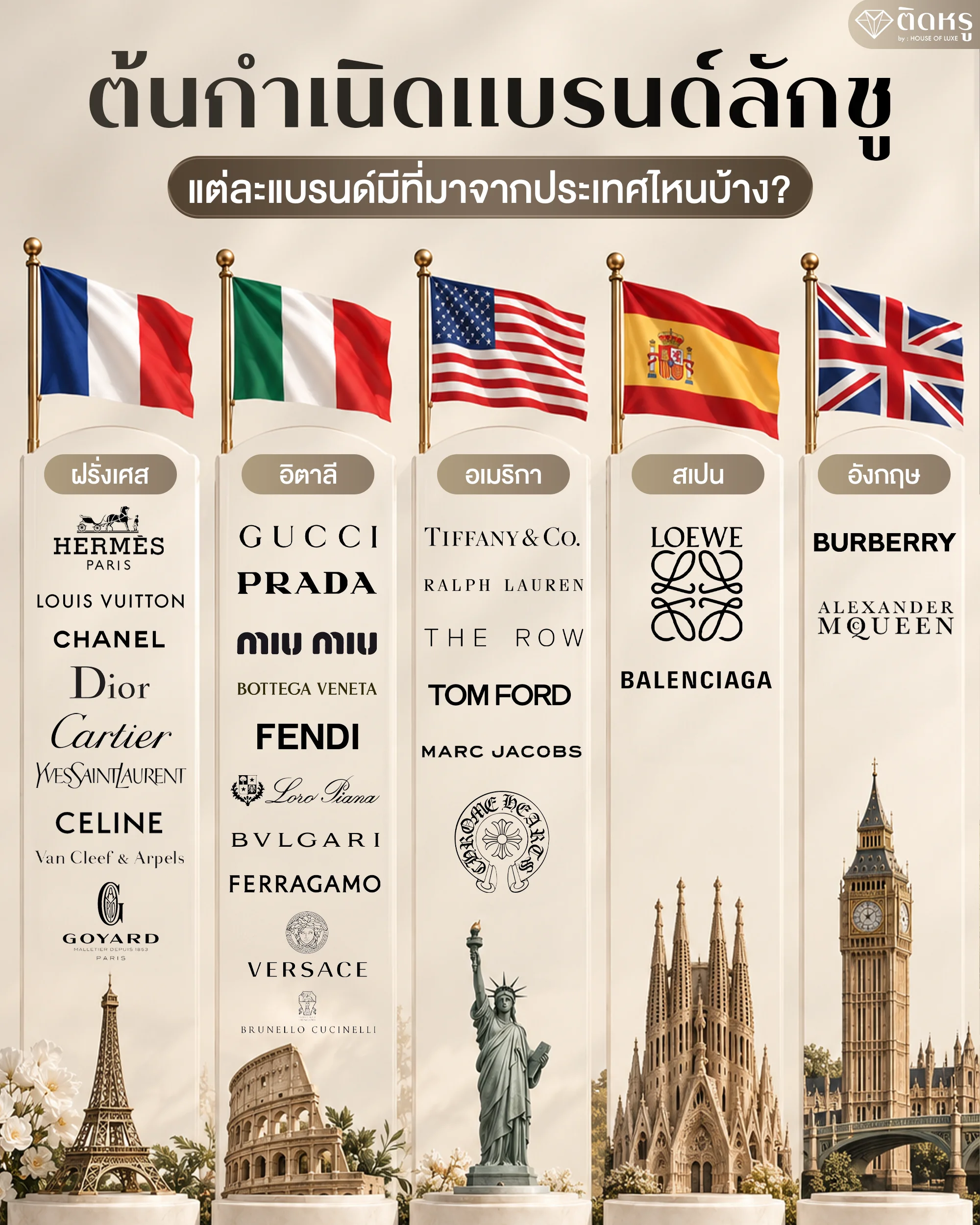
This list of luxury brand origins covers 29 houses across 5 countries of origin: Italy with 10, France with 9, the United States with 6, and Spain and the United Kingdom with 2 each. Count by parent company instead of by founding city and the picture changes completely: French-registered groups hold 16 of the 29, and a sixth country that appears nowhere on the list holds 2 more.
These 29 Brands Come From 5 Countries, and Italy Beats France by a Single Name
Ranked by how many names each country contributes, Italy leads with 10 and France follows with 9, a gap of one. The United States accounts for 6, while Spain and the United Kingdom contribute 2 each.
-
France, 9 brands
-
Hermès
-
Louis Vuitton
-
CHANEL
-
Dior
-
Cartier
-
Yves Saint Laurent
-
CELINE
-
Van Cleef & Arpels
-
Goyard
-
Italy, 10 brands
-
Gucci
-
Prada
-
Miu Miu
-
Bottega Veneta
-
Fendi
-
Loro Piana
-
BVLGARI
-
Ferragamo
-
Versace
-
Brunello Cucinelli
-
United States, 6 brands
-
Tiffany & Co.
-
Ralph Lauren
-
The Row
-
Tom Ford
-
Marc Jacobs
-
Chrome Hearts
-
Spain, 2 brands
-
LOEWE
-
Balenciaga
-
United Kingdom, 2 brands
-
Burberry
-
Alexander McQueen
BVLGARI Sits on the Italian Side, so Was Its Founder Not Italian?
He was not, and the house says so itself. Bulgari’s official history records that Sotirio Bvlgari, a Greek silversmith from Paramythia, opened his first boutique on Via Sistina in central Rome in 1884, aged 27. The house was born in Italy exactly as the list says, but the hands that forged its first silver were Greek. It is a useful reminder that origin in this industry means the city where the doors opened, not always the passport of the person who opened them.
Switch From Counting Origins to Counting Owners and France Climbs From 9 Brands to 16
Most of these houses no longer belong to their founders or founding families. They sit with three large groups: LVMH and Kering, both registered in France, and Richemont, a Swiss company. Counted by the nationality of the parent company rather than the founding city, the totals land like this.
| Country | Brands founded here | Brands whose parent is from here | Difference |
|---|---|---|---|
| France | 9 brands | 16 brands | +7 |
| Italy | 10 brands | 5 brands | -5 |
| United States | 6 brands | 5 brands | -1 |
| Spain | 2 brands | 0 brands | -2 |
| United Kingdom | 2 brands | 1 brand | -1 |
| Switzerland | 0 brands | 2 brands | +2 |
France reaches 16 by three routes. LVMH holds 8 of them (Louis Vuitton, Dior, CELINE, Fendi, Loro Piana, BVLGARI, LOEWE and Tiffany & Co.), Kering holds 5 more (Gucci, Yves Saint Laurent, Bottega Veneta, Balenciaga and Alexander McQueen), and 3 remain privately French: Hermès, CHANEL and Goyard.
So How Many Brands Now Answer to a Country Other Than the One They Were Born In?
Eleven of the 29, or 38% of the list. That breaks down as 5 Italian houses now under French groups (Fendi, Loro Piana, BVLGARI, Gucci, Bottega Veneta), both Spanish houses (LOEWE, Balenciaga), one British house (Alexander McQueen), one American house (Tiffany & Co.), and 2 French houses that ended up with a Swiss parent.
Italy Contributes 10 Brands to the List and Keeps Only 5 Under Italian Ownership
Italy loses more names to foreign owners than any other country here. Of the 10 founded in Italy, 5 remain with Italian companies: Prada, Miu Miu and Versace under Prada Group, plus Ferragamo and Brunello Cucinelli, both still with their founding families. The other 5 now sit with LVMH and Kering.
Spain fares worse still, because neither of its 2 entries remains Spanish-owned. LOEWE, founded in Madrid, belongs to LVMH, and Balenciaga, which Cristóbal Balenciaga opened in Spain before moving to Paris, belongs to Kering. The United Kingdom at least keeps Burberry, a British company listed in London.
And Switzerland, Which Is Nowhere on the List, Holds Which Brands?
Two of them, and both are front-rank French houses: Cartier and Van Cleef & Arpels, each part of the Swiss group Richemont. The two French jewellers most readers could name off the top of their heads answer to a parent in a different country from the one the list assigns them, which quietly makes Switzerland the sixth country in this story despite never appearing on the artwork.
Origin Tells You Where the Craft Came From. Ownership Tells You Who Sets the Direction Next
The two figures answer different questions. Country of origin is where the technique and the design language come from, whether that is French leatherwork, Italian weaving and tanning, or British tailoring, and that still shows up in the product itself. The nationality of the parent company is about who decides pricing, distribution and where the brand is pushed next.
Separating the two makes luxury news far easier to read, because the results that move price tags come from the parent company rather than from the founding city. For the numbers side of that, our piece on the 2025 results for LVMH, Hermès, Kering and Prada sits alongside this one.
When It Comes to Buying, Which Matters More?
Look at origin first, because the craft and the materials are still tied to the workshops and artisans of that country. Ownership is the supporting detail: it tells you whether a house is being expanded or squeezed for margin, which shows up in how often prices rise and how many collections land each year. But if the question is what makes the object in your hand better, the answer still sits with the origin and the work, not with the name on the holding company.
This List Will Change Again, Because Two Large Deals Have Just Closed
Two brands on it have already changed hands within a year. Versace moved from America’s Capri Holdings to Prada Group on 2 December 2025, returning it to Italian ownership. Marc Jacobs was sold by LVMH to WHP Global, a New York group, in 2026, after sitting in the LVMH portfolio since 1997.
So the table above is a snapshot rather than a fixture. For another angle on how these houses present themselves, read how luxury brand logos have evolved from past to present, which shows how often a change of owner is followed by a change of wordmark.
Brand names and countries of origin are taken from the Luxe Addict artwork. Parent company details were checked against the official pages of LVMH, Kering, Richemont and Prada Group on 28 September 2026. All per-country counts and percentages are calculations by the Luxe Addict team based on this 29-brand list alone.
Recommended for You

Central Embassy and Central Chidlom List 37 Luxury Brands

Nene Royal Wins America’s Got Talent 2026, and the USD 1 Million Prize Pays Out Over 40 Years
Thailand Lands 3rd in the Best Countries for Expats 2026, but Millionaires Still Pick the UAE
💬 Comments
0✍️ Add a Comment